


We invite you to step into a moment in American history when millions were on the move, carrying more than suitcases. During the Great Migration, Black Americans journeyed north in search of opportunity, dignity, and a place to belong—bringing with them a sound, a spirit, and a question that still echoes today: What must we hold onto, and what must we leave behind to survive?
At the center of that question stands Thomas Andrew Dorsey, a man who dared to fuse the sacred and the secular, the blues and the church, the past and the promise. In doing so, he didn’t just create Gospel music. He created a language of resilience that has shaped generations.
As conversations around cultural identity, faith, artistry, and belonging continue to define our national landscape, Dorsey arrives not as a retrospective, but as a revelation. It invites audiences to feel the tension between acceptance and authenticity—and to witness the birth of a sound that refused to be silenced.
Thomas Andrew Dorsey is as pivotal a figure as American music has ever known. Without him, there's no Sam Cooke, Marvin Gaye, Aretha Franklin, Whitney Houston, or Beyoncé... and that's the tip of the iceberg. He invented the Gospel choir. Take a walk in Harlem on a Sunday morning and hear his enduring legacy echoing in the streets. Or, come see the captivating origin story on Broadway.
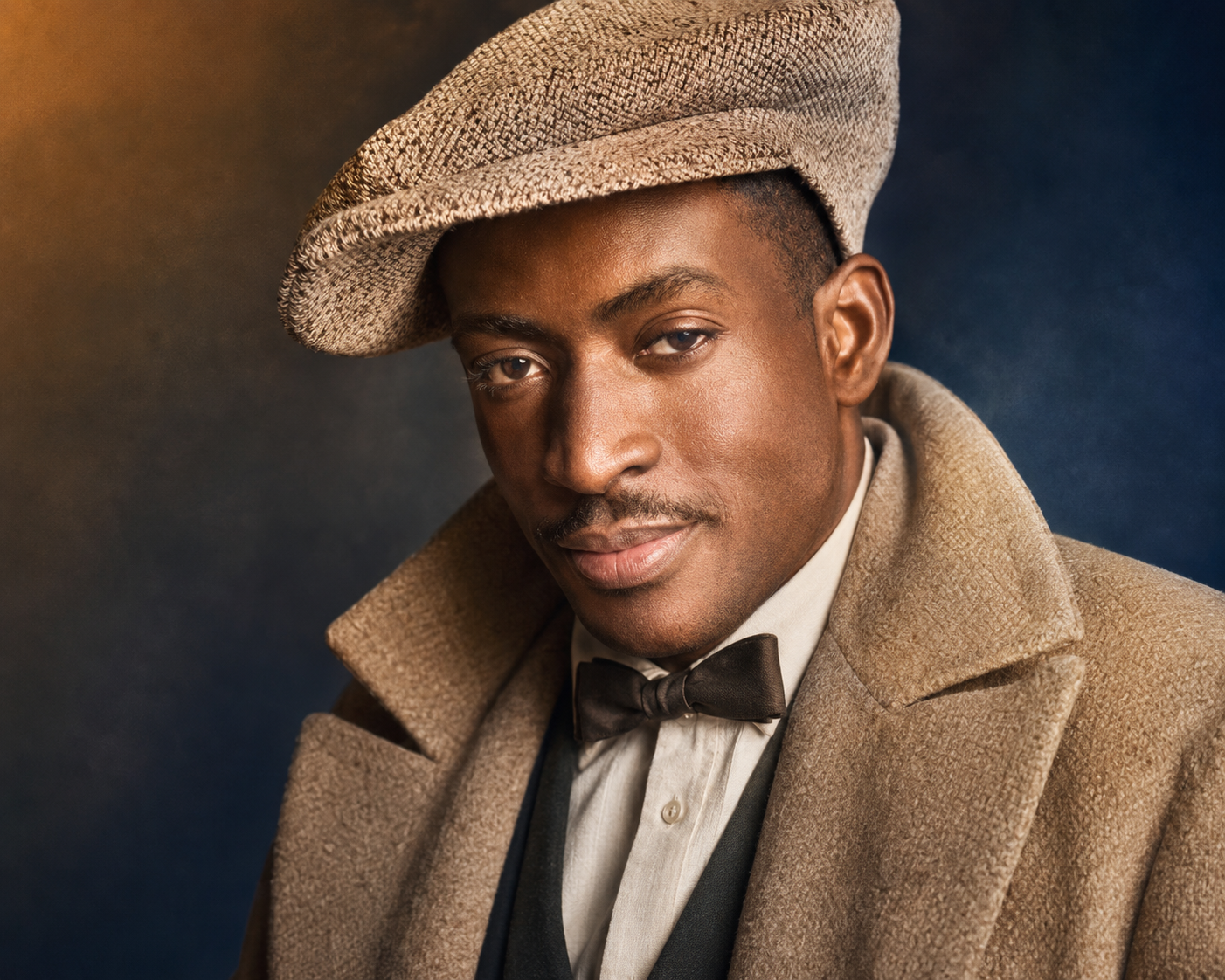
The Story
He came for the music. He stayed for the fight.
A new American musical about the sound one man heard before the rest of the world was ready.
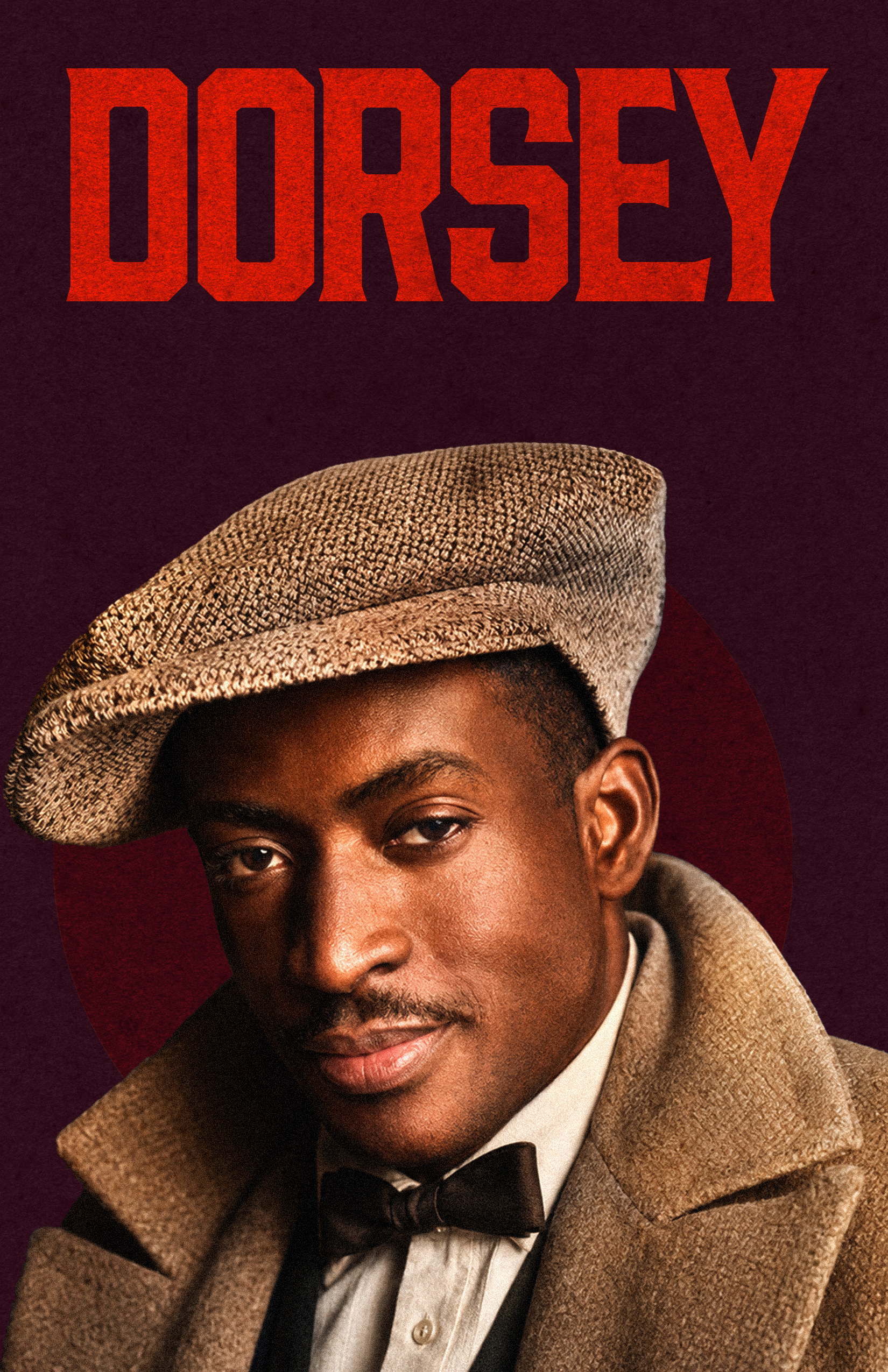
1928. Dorsey steps off a northbound train with a battered case and a head full of Delta gospel. Uptown, the clubs are loud, the money is crooked, and nobody is waiting for a country boy with a new sound.
Across two acts and twenty-two songs, Dorsey traces the making of an American voice — the love it cost, the faith it tested, and the music that outlived every room that tried to keep it out.
“A thunderclap of a musical — brass, grit, and a heart the size of Harlem.”